Mon-Thurs EST: 7:00 AM - 5:00 PM

Mon-Thurs EST: 7:00 AM - 5:00 PM
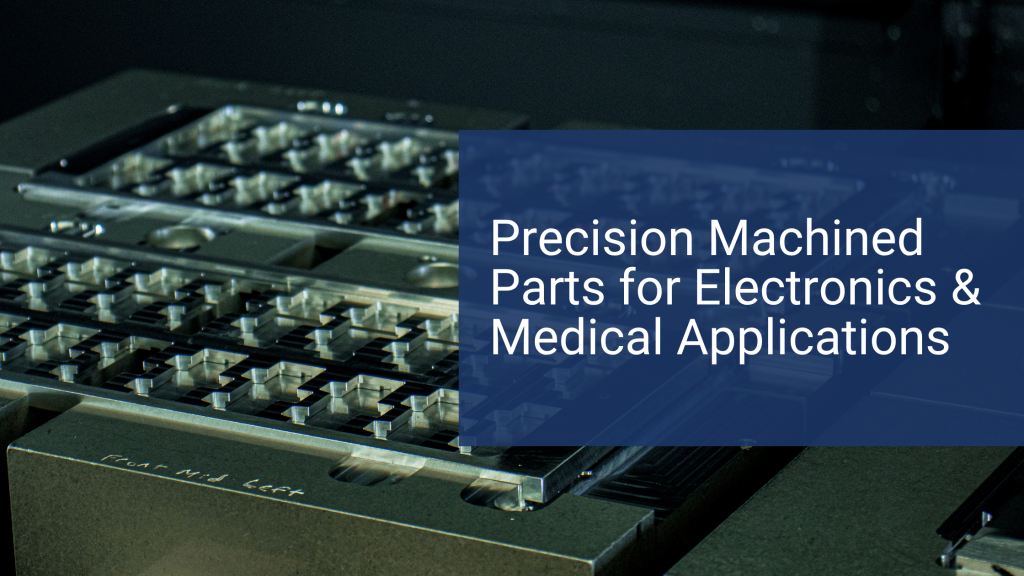
When your parts need tight tolerances, repeatability, and dependable quality, the machining partner matters. Capitol Tool supports precision component manufacturing with CNC milling, turning, grinding, EDM, and in-process and final inspection capabilities that help reduce production risk. Whether you are sourcing parts for electronics manufacturing equipment, diagnostic assemblies, housings, fixtures, or other high-precision components, the goal is the same: get accurate parts, consistent results, and fewer surprises.
Tight tolerances. Repeatable quality. Reliable results.
Precision machined components for electronics and medical applications demand more than basic machining. They require process control, accuracy, consistency, and quality you can count on from prototype through production.
Whether you are sourcing intricate components, tight-tolerance parts, precision housings, fixtures, or specialized machined assemblies, the goal is the same: get parts that perform as expected and arrive ready for the next step.
In electronics and medical-related manufacturing, even minor variation can create major downstream issues. Poor fit, dimensional drift, inconsistent finishes, and inspection failures can slow production, increase scrap, and create unnecessary cost.
That is why precision machining is about more than producing a part to print. It is about maintaining control throughout the process so quality stays consistent from one run to the next.
Capabilities that support high-precision work include:
For critical parts, repeatability is not optional. It is part of what keeps projects moving.
Engineers and sourcing teams in these industries are usually focused on the same core requirements:
Tight Tolerances
Tolerance strategy affects fit, function, manufacturability, cost, and lead time. Tight tolerances are often necessary for critical features, but they need to be applied intentionally where performance requires them.
Repeatability Across Orders
A part that meets print once is not enough. Repeatability matters across prototypes, repeat orders, and production runs. Stable machining and inspection processes help reduce variation and improve confidence in every batch.
Complex Features and Challenging Geometries
Precision parts for electronics and medical applications often include small features, intricate profiles, fine details, demanding finishes, and materials that require careful machining strategy.
Inspection Confidence
For high-precision work, inspection is a major part of the value. Buyers want confidence that dimensions are being verified, critical features are being checked, and part quality is being maintained throughout production.
Electronics manufacturing often depends on parts that must fit and function with little room for error. Fixtures, machine components, housings, support hardware, and precision assemblies all rely on dimensional consistency.
The right machining partner helps support:
For electronics-related projects, precision is directly tied to uptime, quality, and production efficiency.
For medical-related applications, the focus is usually on reducing risk. That means controlling variation, supporting inspection requirements, and maintaining consistency from one order to the next.
The most important questions are usually straightforward:
Those are the questions that shape supplier decisions, and they are the same questions that matter most once a project is underway.
A broad machining capability set helps support a wider range of part requirements and reduces the need to split work across multiple suppliers.
CNC Milling
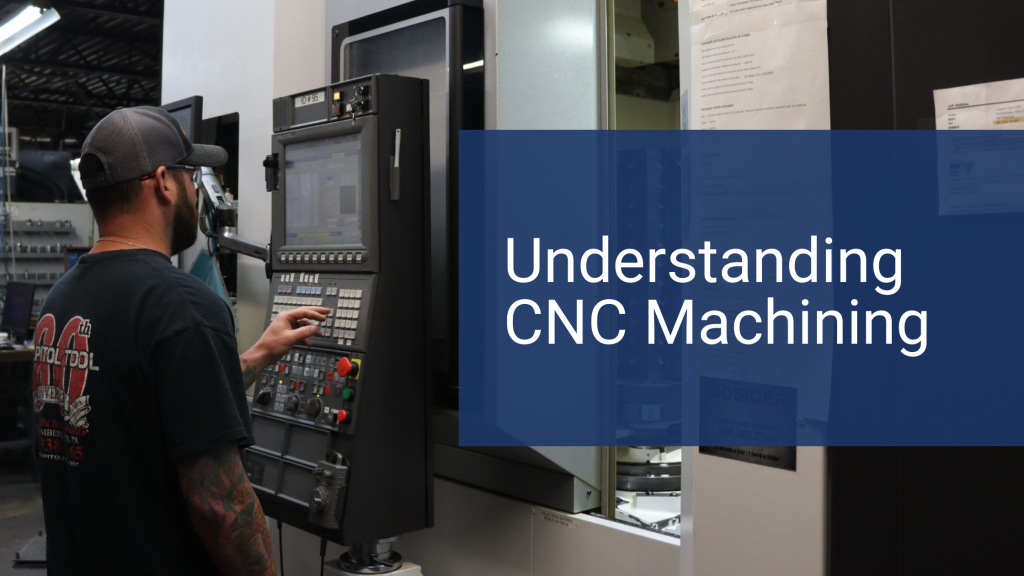
CNC milling supports complex geometries, multi-sided parts, 3D features, and repeatable production across a wide range of applications.
CNC Turning
CNC turning is ideal for precise cylindrical parts, shafts, bushings, and other turned components that require consistency and efficient production.
Surface Grinding
Our ACCDX 12-24 Okamoto surface grinder supports extremely tight tolerances, flatness requirements, and refined finishes where standard machining alone may not be enough.
Wire EDM and Sinker EDM
EDM is valuable for intricate shapes, tight internal corners, hard materials, small openings, and complex features that are difficult to produce through conventional machining.
Inspection and Quality Control
Inspection support using a Keyence IM series scope helps verify critical dimensions, improve repeatability, and reduce the chance of variation reaching the next stage of production.
A strong RFQ helps speed up quoting, reduce back-and-forth, and improve alignment early in the process.
For electronics and medical-related precision parts, include:
The clearer the RFQ, the easier it is to identify critical requirements and quote the job accurately.
Most buyers searching for precision machined parts are trying to solve one or more of these issues:
A strong machining process helps reduce these problems before they affect production schedules and overall cost.
If your project requires tight tolerances, repeatable quality, and a machining process built around consistency, now is the time to start the conversation.
Tight tolerances refer to very small allowable variation from a specified part dimension. The acceptable range depends on the part, feature, and application. Tighter tolerances often require more careful setups, added inspection, and tighter process control.
Common materials include aluminum, stainless steel, copper alloys, engineering plastics, and other materials selected based on performance, corrosion resistance, conductivity, weight, and end-use requirements.
CNC machining removes material using cutting tools. EDM removes material through electrical discharges in conductive materials. EDM is often used for intricate shapes, fine features, hard materials, and areas that are difficult to machine conventionally.
Look for strong process control, inspection capability, repeatability, clear communication, and the ability to maintain consistency across runs. Quality systems and attention to detail are especially important for high-precision applications.
Include drawings, CAD files if available, material, quantities, tolerances, finish requirements, and any inspection or documentation needs. The more complete the RFQ, the faster and more accurately the project can be reviewed.
Tighter tolerances usually require slower machining, more detailed setups, more frequent inspection, and sometimes secondary finishing processes. All of that adds time and cost to the job.
Yes. Precision machined parts can be produced for prototypes, short runs, and repeat production, depending on the part design, process requirements, and demand.